Artificial intelligence is advancing at a rapid pace. One of the most significant conversations in 2026 centers on DeepSeek vs. ChatGPT. DeepSeek, a newly developed Chinese chatbot, has garnered worldwide attention for its efficiency and surprisingly low training costs. On the other hand, ChatGPT, created by OpenAI, remains the most widely used and polished AI assistant on the market.
Users, developers, and businesses alike are weighing the two: some praise DeepSeek for its reasoning and coding accuracy, while others rely on ChatGPT for its versatility, integrations, and natural conversational style. The real question is simple: which one is the better fit for your needs?
In this article, we’ll explore both tools in depth to examine their features, performance, pricing, accuracy, and everyday use cases. We are aiming to give you a clear, balanced picture of how these two AI heavyweights compare in 2026.
Table of Contents
What Are DeepSeek and ChatGPT?
ChatGPT and DeepSeek. Both are powerful AI assistants, but they arrived on the scene with very different origins and priorities.
ChatGPT
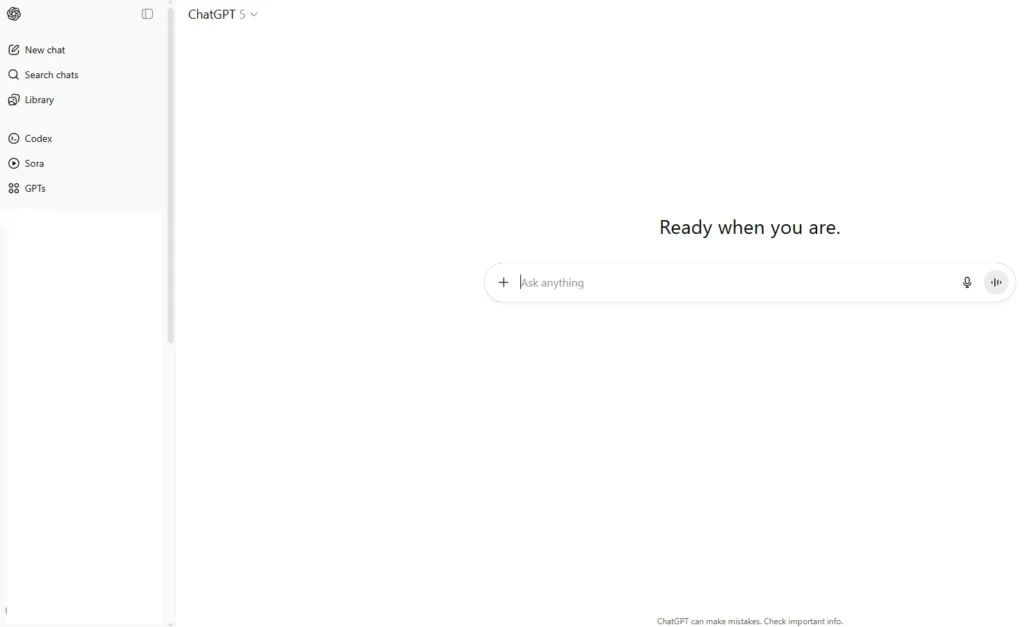
Developed by OpenAI, ChatGPT first appeared in late 2022 and quickly became the face of AI chatbots. It started with GPT-3.5, moved into GPT-4, then GPT-4o with multimodal capabilities, and now includes the GPT-5 model released in 2025, which pushes reasoning and context handling even further. Each generation has added major improvements, making ChatGPT the most familiar and broadly adopted AI assistant worldwide.
- GPT-3.5 (2022): The first widely accessible version that drove mainstream adoption.
- GPT-4 (2023): Improved accuracy, creativity, and multilingual support.
- GPT-4o (2024): Introduced multimodal input (text, voice, images) for richer interaction.
- GPT-5 (2025): Latest model, designed with stronger reasoning, better efficiency, and enterprise-level reliability.
- Integrated into apps, plugins, and enterprise systems, trusted by hundreds of millions for tasks ranging from essays and reports to Python coding and translation.
DeepSeek
Founded in 2023 in Hangzhou, China, DeepSeek emerged as a serious competitor in early 2025 with its chatbot DeepSeek-R1. Its claim to fame was doing more with less: training powerful models on a fraction of the budget used by Western rivals. DeepSeek has leaned into efficiency, open-source releases, and logical reasoning—earning strong interest from developers, researchers, and cost-conscious businesses.
- DeepSeek-V1 & V2 (2023–24): Early research models, paving the way for large-scale deployment.
- DeepSeek-R1 (2025): Reasoning-focused chatbot, trained on 2,048 Nvidia H800 GPUs in ~55 days at a cost of ~$6M—far cheaper than GPT-4.
- DeepSeek-V3 (2025): Improved reasoning and performance benchmarks; open-sourced under MIT license.
- DeepSeek-V3.1 (Aug 2025): Latest upgrade, offering faster responses, smarter agent capabilities, and greater efficiency.
- Key strengths include step-by-step reasoning, coding accuracy, and a commitment to open models for the developer community.
Next, let’s look closer at their important features and real-world performance to see how they compare.
Latest Models: ChatGPT-5 vs DeepSeek-V3.1
Both OpenAI and DeepSeek have released new versions in 2025 that highlight their different priorities. Comparing these flagship models gives the clearest picture of how each company is steering its AI forward.
ChatGPT-5 (OpenAI)
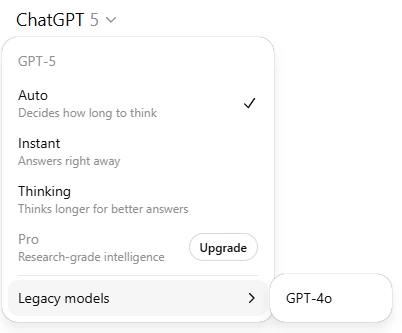
Released in mid-2025, GPT-5 builds on the foundation of GPT-4o by offering sharper reasoning, better long-context handling, and improved multimodal capabilities. Users can interact with it through text, voice, and images, making it more versatile for real-world applications. OpenAI has also fine-tuned GPT-5 for enterprise reliability, ensuring fewer hallucinations, faster response times, and smoother integration into apps and business workflows.
DeepSeek-V3.1 (DeepSeek)
In August 2025, DeepSeek introduced V3.1, a refined update to its earlier V3 model. Built with a hybrid inference structure and further optimized for efficiency, V3.1 delivers faster responses and smarter agent-like behavior. It continues DeepSeek’s focus on step-by-step reasoning and coding accuracy, but with noticeable improvements in conversation flow compared to R1 and earlier versions. By keeping costs low and models partially open-sourced, DeepSeek positions V3.1 as both a research tool and a practical assistant.
Latest Model Comparison
| Feature | ChatGPT-5 ⭐ | DeepSeek-V3.1 ⭐ | Notes |
|---|---|---|---|
| Reasoning & Logic | ⭐⭐⭐⭐☆ | ⭐⭐⭐⭐⭐ | DeepSeek prioritizes chain-of-thought accuracy; GPT-5 narrows the gap. |
| Multimodal Support | ⭐⭐⭐⭐⭐ | ⭐⭐☆☆☆ | GPT-5 handles text, voice, and images; DeepSeek limited to text. |
| Speed & Efficiency | ⭐⭐⭐⭐☆ | ⭐⭐⭐⭐⭐ | DeepSeek more efficient per token; GPT-5 optimized but costlier. |
| Conversation Flow | ⭐⭐⭐⭐⭐ | ⭐⭐⭐⭐☆ | GPT-5 more natural and polished; DeepSeek improving but less fluid. |
| Openness & Accessibility | ⭐⭐☆☆☆ | ⭐⭐⭐⭐⭐ | DeepSeek open-sources models; ChatGPT remains closed. |
| Enterprise Integration | ⭐⭐⭐⭐⭐ | ⭐⭐☆☆☆ | GPT-5 integrates broadly into apps and workflows; DeepSeek still limited. |
Performance, Benchmarks, and Coding Accuracy
When comparing AI assistants, nothing speaks louder than how they perform on benchmarks and in real coding work. Benchmarks provide standardized test results, while coding—especially in Python, the most common language for AI testing—shows how useful these tools are in practice.
DeepSeek’s Edge in Python and Logic
DeepSeek has earned its reputation through Python-heavy benchmarks like HumanEval, where it often produces correct solutions on the first attempt. Its models (R1 and V3) lean on step-by-step reasoning, breaking down problems logically rather than guessing at answers. This approach makes it excellent for debugging, math-related tasks, and any project where accuracy and efficiency matter. Developers who spend their days writing or fixing Python code will notice fewer retries and smoother debugging compared to many rivals.
ChatGPT’s Versatility in Coding Benchmarks
ChatGPT also performs well in Python, but its biggest strength is breadth and usability across multiple languages and frameworks—from JavaScript and HTML to SQL and C++. Beyond writing code, ChatGPT is valued for its ability to explain concepts in natural language, making it approachable for beginners and teams learning new tools. In longer tasks—whether maintaining a strategy in chess or sustaining context across large projects—ChatGPT tends to handle the bigger picture better than DeepSeek.
Benchmark & Coding Comparison
| Feature | DeepSeek ⭐ | ChatGPT ⭐ | Notes |
|---|---|---|---|
| Feature | DeepSeek ⭐ | ChatGPT ⭐ | Notes |
| Python Debugging Accuracy | ⭐⭐⭐⭐⭐ | ⭐⭐⭐⭐☆ | DeepSeek often correct on first attempt; ChatGPT may need iteration. |
| Step-by-Step Reasoning | ⭐⭐⭐⭐⭐ | ⭐⭐⭐☆ | DeepSeek excels in chain-of-thought logic; ChatGPT quicker but less detailed. |
| Multi-Language Coding | ⭐⭐☆☆☆ | ⭐⭐⭐⭐⭐ | ChatGPT covers many languages/frameworks; DeepSeek narrower scope. |
| Explanations for Beginners | ⭐⭐☆☆☆ | ⭐⭐⭐⭐⭐ | ChatGPT more natural in teaching style; DeepSeek more technical. |
| Math & Logic Benchmarks | ⭐⭐⭐⭐⭐ | ⭐⭐⭐⭐☆ | DeepSeek matches or beats GPT-4o in structured tests. |
| Conversational Strategy (e.g. chess) | ⭐⭐⭐⭐☆ | ⭐⭐⭐⭐⭐ | DeepSeek strong at logic; ChatGPT better at sustaining long strategies. |
Our Recommendation
If you’re a Python-focused developer or rely heavily on math-based logic tasks, DeepSeek offers sharper accuracy and efficiency. But if your work spans multiple languages, frameworks, or requires teaching and explanation, ChatGPT is still the more reliable all-rounder.
Writing and Essay Generation
Beyond coding, one of the most popular uses of AI assistants is writing essays, reports, and long-form content. Students, researchers, and professionals often turn to these tools not only for grammar and clarity, but also for tone, structure, and creativity. DeepSeek and ChatGPT both handle essay writing, but with noticeably different styles.
DeepSeek’s Structured Approach
DeepSeek produces essays that are clear, logical, and well-organized. Its chain-of-thought reasoning shines in academic or technical contexts where structure matters most. Outlines, argument flow, and supporting points are usually solid. However, its output can feel a bit rigid, sometimes lacking the natural flow or creative flair that makes text engaging. This makes DeepSeek well-suited for technical papers, research summaries, and outlines rather than polished final drafts.
ChatGPT’s Natural Essay Style
ChatGPT remains stronger when it comes to fluent, narrative-driven writing. Its essays read closer to something a human would write—smooth transitions, adaptive tone (academic, casual, persuasive), and a better sense of voice. It’s capable of weaving arguments with nuance and injecting a style that feels less mechanical. For students or writers who need polished drafts or creative essays, ChatGPT consistently delivers more natural results.
Essay Writing Comparison
| Feature | DeepSeek ⭐ | ChatGPT ⭐ | Notes |
|---|---|---|---|
| Logical Structure & Outlines | ⭐⭐⭐⭐⭐ | ⭐⭐⭐⭐☆ | DeepSeek excels in step-by-step organization; ChatGPT also good, but less formal. |
| Fluency & Readability | ⭐⭐⭐☆ | ⭐⭐⭐⭐⭐ | ChatGPT’s text flows more naturally; DeepSeek can feel stiff. |
| Tone Adaptability | ⭐⭐☆☆☆ | ⭐⭐⭐⭐⭐ | ChatGPT adjusts tone easily (academic, persuasive, casual). |
| Creativity & Style | ⭐⭐☆☆☆ | ⭐⭐⭐⭐⭐ | ChatGPT better at engaging, human-like writing. |
| Technical/Academic Use | ⭐⭐⭐⭐⭐ | ⭐⭐⭐⭐☆ | DeepSeek strong for outlines and factual essays; ChatGPT balances structure + style. |
Our Recommendation
If you need academic outlines, structured reports, or research summaries, DeepSeek is efficient and reliable. But for creative, polished, and persuasive writing, ChatGPT is the clear winner, producing essays that read more naturally and adapt better to different styles.
Efficiency, Energy Usage, and Training Cost
One of the most striking differences between DeepSeek and ChatGPT lies in how their models are trained and run. Efficiency isn’t just about speed—it’s about the hardware used, the energy consumed, and ultimately how much it costs to build and deploy these systems.
DeepSeek’s Cost-Effective Efficiency
DeepSeek made headlines by proving that cutting-edge AI doesn’t have to require massive Silicon Valley budgets. Its R1 model was trained on just 2,048 Nvidia H800 GPUs over ~55 days at an estimated cost of $5–6 million—a fraction of what Western labs typically spend. The newer V3 and V3.1 models continue this trend, using hybrid inference structures to reduce compute demand while still delivering strong reasoning performance. This makes DeepSeek particularly appealing for organizations and researchers who value low energy usage and budget-friendly scaling.
ChatGPT’s Heavy Investment
OpenAI takes the opposite approach, training its models with tens of thousands of GPUs and budgets often estimated in the hundreds of millions of dollars. Models like GPT-4 and GPT-5 consume enormous compute and energy during training, but that investment brings robust global infrastructure, reliability, and enterprise readiness. While less efficient in terms of energy per token, ChatGPT benefits from economies of scale and mature systems that ensure consistency for millions of users worldwide.
Efficiency & Cost Comparison
| Feature | DeepSeek ⭐ | ChatGPT ⭐ | Notes |
|---|---|---|---|
| Training Cost | ⭐⭐⭐⭐⭐ | ⭐⭐☆☆☆ | DeepSeek trained R1 for ~$6M; GPT-4/5 estimated >$100M. |
| Energy Efficiency | ⭐⭐⭐⭐⭐ | ⭐⭐☆☆☆ | DeepSeek optimized for lower compute and power use. |
| Hardware Usage | ⭐⭐⭐⭐⭐ | ⭐⭐☆☆☆ | DeepSeek: 2,048 H800 GPUs; ChatGPT: tens of thousands of GPUs. |
| Speed per Token | ⭐⭐⭐⭐☆ | ⭐⭐⭐⭐☆ | Both optimized for fast inference; DeepSeek slightly leaner. |
| Scalability & Reliability | ⭐⭐☆☆☆ | ⭐⭐⭐⭐⭐ | ChatGPT’s infrastructure handles global enterprise demand. |
| Cost to Access (API/User) | ⭐⭐⭐⭐⭐ | ⭐⭐⭐☆ | DeepSeek remains free/low-cost; ChatGPT requires Plus for full access. |
Our Recommendation
If efficiency and cost-effectiveness are your top priorities—whether for research, experimentation, or large-scale deployment—DeepSeek has the clear advantage. But if you value global reliability, mature infrastructure, and enterprise-level stability, ChatGPT’s higher training cost pays off in performance and consistency at scale.
Translation and Multilingual Use
Beyond coding and writing, AI chatbots are increasingly judged by how well they handle translation and multilingual communication. For global users, accuracy, fluency, and cultural nuance make the difference between a tool that’s useful and one that falls short.
DeepSeek’s Translation Strengths
DeepSeek shows strong performance in Chinese–English translation, reflecting its domestic roots and training data. It delivers accurate, literal translations with solid grammar, making it useful for technical documents or academic content. However, when it comes to less common languages or capturing the subtle tone of everyday conversation, DeepSeek can sound more mechanical and less fluent.
ChatGPT’s Broader Language Reach
ChatGPT supports a much wider range of languages and tends to produce smoother, more natural translations. It’s especially strong with European languages, where it captures idioms and cultural references more effectively. ChatGPT’s adaptability means it not only translates text but also adjusts the tone—formal, casual, persuasive—depending on the context, making it more versatile for real-world communication.
Translation Comparison
| Feature | DeepSeek ⭐ | ChatGPT ⭐ | Notes |
|---|---|---|---|
| Chinese–English Accuracy | ⭐⭐⭐⭐⭐ | ⭐⭐⭐⭐☆ | DeepSeek excels in Chinese-focused tasks; ChatGPT still strong. |
| European Languages | ⭐⭐☆☆☆ | ⭐⭐⭐⭐⭐ | ChatGPT handles idioms and nuance better across EU languages. |
| Global Language Coverage | ⭐⭐☆☆☆ | ⭐⭐⭐⭐⭐ | ChatGPT supports many more languages than DeepSeek. |
| Fluency & Naturalness | ⭐⭐⭐☆ | ⭐⭐⭐⭐⭐ | DeepSeek can be stiff; ChatGPT smoother and more human-like. |
| Tone Adaptability | ⭐⭐☆☆☆ | ⭐⭐⭐⭐⭐ | ChatGPT adjusts style to context; DeepSeek more literal. |
| Technical/Academic Texts | ⭐⭐⭐⭐☆ | ⭐⭐⭐⭐☆ | Both solid for structured content; DeepSeek excels in literal accuracy. |
Our Recommendation
If your translation needs are focused on Chinese–English academic or technical work, DeepSeek is efficient and highly accurate. But if you need a broader multilingual assistant that delivers natural fluency across dozens of languages and adapts tone to context, ChatGPT is the stronger and more versatile choice.
Free Plans: DeepSeek Free vs ChatGPT Free
For many users, the first question isn’t about benchmarks or features—it’s simple: what can I use for free? Both DeepSeek and ChatGPT offer free tiers, but they differ in how much value you actually get without paying.
DeepSeek’s Free Access
DeepSeek currently allows unlimited free use of its chatbot, making it especially attractive to students, hobbyists, and developers testing ideas. Its open-source models also mean that advanced users can run versions locally or integrate them into projects at no cost. This open and accessible approach has fueled DeepSeek’s rapid growth, particularly in markets sensitive to subscription fees.
ChatGPT’s Free Tier
ChatGPT also provides a free version, but it’s more limited. Free users typically get access to GPT-3.5 or GPT-4o mini, with slower response speeds and fewer advanced features. For full access to GPT-4o or GPT-5, multimodal features, and faster performance, users need to subscribe to the Plus plan ($20/month). The free tier is still useful for casual chatting and light tasks, but it doesn’t unlock ChatGPT’s full potential.
Pricing and Paid Options
While free access is a great entry point, serious users—especially businesses and developers—often look at what paid tiers offer. Here’s how DeepSeek and ChatGPT stack up when it comes to subscription models, API costs, and enterprise readiness.
DeepSeek’s Paid Options
DeepSeek is still keeping its consumer app free, but its monetization strategy focuses on API access. Starting in September 2025, commercial users will need to pay for higher-volume API calls, though the pricing is expected to remain much lower than Western competitors. Combined with its open-source models (MIT license), this gives developers flexibility—either run the models themselves or pay relatively modest fees for hosted API usage. For now, DeepSeek doesn’t offer premium subscription tiers for individuals, but it’s carving out a niche in the low-cost, developer-friendly AI market.
ChatGPT’s Paid Options
ChatGPT has a more established pricing structure. Its Plus plan costs $20/month, giving access to GPT-4o and GPT-5, faster response times, and advanced features like multimodal input, memory, and plugins. For businesses, OpenAI also offers ChatGPT Team and Enterprise plans, which include admin controls, data privacy, and higher usage caps. API pricing through OpenAI (and its partner Microsoft Azure) is more expensive than DeepSeek but comes with the reliability of OpenAI’s robust infrastructure and global integration.
Pricing Plans: Free and Paid Comparison
| Feature | DeepSeek ⭐ | ChatGPT ⭐ | Notes |
|---|---|---|---|
| Free Model Access | ⭐⭐⭐⭐⭐ | ⭐⭐☆☆☆ | DeepSeek free access to strong models; ChatGPT free tier limited to GPT-3.5/mini. |
| Free Usage Limits | ⭐⭐⭐⭐⭐ | ⭐⭐☆☆☆ | DeepSeek no hard caps; ChatGPT free tier slower and restricted. |
| Consumer Subscription | ⭐☆☆☆☆ | ⭐⭐⭐⭐⭐ | ChatGPT Plus $20/month; DeepSeek app remains free (no premium tier). |
| API Pricing | ⭐⭐⭐⭐⭐ | ⭐⭐⭐☆ | DeepSeek lower API costs; ChatGPT API more expensive via OpenAI/Azure. |
| Enterprise/Team Plans | ⭐⭐☆☆☆ | ⭐⭐⭐⭐⭐ | ChatGPT offers Team/Enterprise plans; DeepSeek still developing. |
| Advanced Features (Multimodal, Plugins, Memory) | ⭐⭐☆☆☆ | ⭐⭐⭐⭐⭐ | ChatGPT Plus/Enterprise unlocks advanced features; DeepSeek free plan is more basic. |
| Open-Source Availability | ⭐⭐⭐⭐⭐ | ⭐☆☆☆☆ | DeepSeek releases models under MIT license; ChatGPT remains closed-source. |
Key Differences at a Glance
By now it’s clear that DeepSeek and ChatGPT take very different paths in how they were built, what they prioritize, and the kinds of users they serve best. DeepSeek focuses on efficiency, reasoning, and cost-effectiveness, while ChatGPT shines in versatility, polish, and global reach.
Here’s a side-by-side breakdown of their most important differences:
| Category | DeepSeek ⭐ | ChatGPT ⭐ | Notes |
|---|---|---|---|
| Latest Model (2025) | V3.1 (Aug 2025) | GPT-5 (mid-2025) | DeepSeek emphasizes efficiency & reasoning; ChatGPT expands multimodal and enterprise features. |
| Reasoning & Logic | ⭐⭐⭐⭐⭐ | ⭐⭐⭐⭐☆ | DeepSeek excels in step-by-step logic and math-heavy tasks. |
| Python & Coding Accuracy | ⭐⭐⭐⭐⭐ | ⭐⭐⭐⭐☆ | DeepSeek strong at first-try accuracy; ChatGPT better at multi-language coverage and teaching. |
| Benchmarks & Technical Tests | ⭐⭐⭐⭐⭐ | ⭐⭐⭐⭐☆ | DeepSeek often outperforms GPT-4o in structured benchmarks; ChatGPT stronger in language-rich tests. |
| Natural Language Fluency | ⭐⭐⭐☆ | ⭐⭐⭐⭐⭐ | ChatGPT more human-like, smooth, and adaptive in tone. |
| Essay & Creative Writing | ⭐⭐⭐☆ | ⭐⭐⭐⭐⭐ | DeepSeek structured but stiff; ChatGPT fluent and engaging. |
| Translation & Multilingual | ⭐⭐⭐☆ | ⭐⭐⭐⭐⭐ | DeepSeek best in Chinese–English; ChatGPT broader and more natural globally. |
| Free Plan | ⭐⭐⭐⭐⭐ | ⭐⭐☆☆☆ | DeepSeek free and open access; ChatGPT free tier limited. |
| Paid Plans | ⭐⭐⭐⭐☆ | ⭐⭐⭐⭐⭐ | DeepSeek low-cost API, no consumer premium; ChatGPT Plus ($20) + Enterprise tiers. |
| Training Cost & Efficiency | ⭐⭐⭐⭐⭐ | ⭐⭐☆☆☆ | DeepSeek trained R1 for ~$6M with 2,048 GPUs; ChatGPT models cost $100M+ with massive GPU clusters. |
| Energy Usage | ⭐⭐⭐⭐⭐ | ⭐⭐☆☆☆ | DeepSeek leaner per token; ChatGPT more energy-intensive but highly scalable. |
| Open Source | ⭐⭐⭐⭐⭐ | ⭐☆☆☆☆ | DeepSeek releases models under MIT license; ChatGPT closed-source. |
| Enterprise Integration | ⭐⭐☆☆☆ | ⭐⭐⭐⭐⭐ | ChatGPT has mature enterprise solutions; DeepSeek still emerging. |
| Multimodal Support | ⭐⭐☆☆☆ | ⭐⭐⭐⭐⭐ | ChatGPT supports text, voice, images; DeepSeek limited to text. |
| Global Adoption | ⭐⭐⭐⭐☆ | ⭐⭐⭐⭐⭐ | DeepSeek rising fast (esp. China); ChatGPT entrenched worldwide. |
Final Verdict: Which Should You Choose?
Both DeepSeek and ChatGPT bring real strengths to the table—it’s less about which one is “better” and more about which one fits your needs.
Choose DeepSeek if:
- You want powerful AI access for free.
- Your work is centered on Python coding, math, or logic-heavy tasks.
- You value efficiency and open-source flexibility for development or research.
Choose ChatGPT if:
- You need a polished, versatile assistant for essays, brainstorming, or everyday problem-solving.
- You want access to advanced features like multimodal input, plugins, and enterprise integrations.
- You care about reliability, global adoption, and business-ready support.
Conclusion
The rise of DeepSeek has reshaped the AI landscape in 2026, showing that cutting-edge models don’t always require billion-dollar budgets. Its cost efficiency, coding precision, and open-source approach make it an appealing alternative—especially for developers and researchers.
ChatGPT, however, remains the gold standard for versatility and polish. With smoother language, broader integrations, and enterprise-grade reliability, it continues to serve as the go-to assistant for students, writers, and businesses worldwide.
In the end, the “best” choice depends on your priorities: DeepSeek for efficiency and technical accuracy, ChatGPT for creativity and well-rounded usability.
FAQ: DeepSeek vs ChatGPT
Q: Is DeepSeek more accurate than ChatGPT?
DeepSeek tends to be more accurate in Python coding, math, and logic-heavy benchmarks, often solving problems on the first try. ChatGPT, however, is generally more accurate in language-rich tasks, like essays, translation, and nuanced conversation.
Q: Is DeepSeek free to use?
Yes. DeepSeek’s chatbot app remains free for users, with no subscription tier. Its models are also released under the MIT open-source license. However, starting September 2025, API usage will have a paid tier for businesses and high-volume developers.
Q: How does ChatGPT pricing compare to DeepSeek?
ChatGPT has a free tier but limits you to GPT-3.5 or GPT-4o mini. Full access to GPT-4o and GPT-5 requires the Plus plan ($20/month). OpenAI also offers Team and Enterprise plans. DeepSeek, by contrast, has no consumer subscription—its API pricing is much cheaper than OpenAI’s.
Q: Which is better for coding, DeepSeek or ChatGPT?
For Python coding and debugging, DeepSeek often has the edge due to its reasoning-focused design. But if you need multi-language support, or you’re learning to code and want explanations in plain language, ChatGPT is more versatile.
Q: Can DeepSeek write essays like ChatGPT?
Yes, but the styles differ. DeepSeek produces essays that are structured and logical, good for academic outlines or technical writing. ChatGPT’s essays are more fluent, natural, and creative, making it the stronger choice for persuasive or polished writing.
Q: Does DeepSeek support multiple languages?
DeepSeek performs very well in Chinese–English translation but is less polished in other languages. ChatGPT supports a much wider range of global languages and produces more natural translations with tone control.
Q: Which is more energy efficient, DeepSeek or ChatGPT?
DeepSeek is significantly more energy- and cost-efficient, having trained R1 for about $6M using 2,048 GPUs. ChatGPT models (like GPT-4 and GPT-5) require hundreds of millions of dollars and tens of thousands of GPUs, making them heavier but also more robust at global scale.